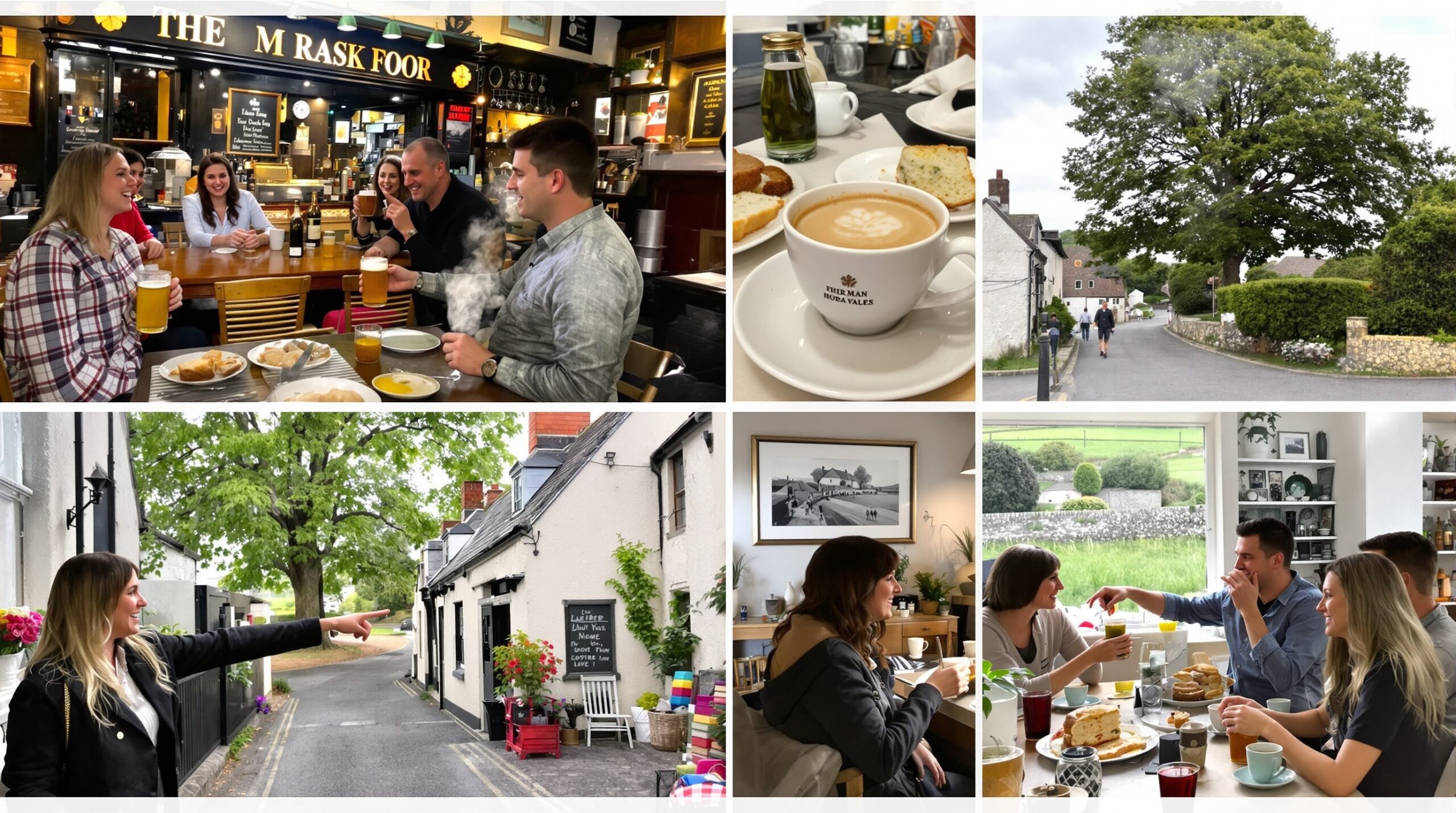
Why the Irish Say ‘Grand’ to Everything — 12 Charming Quirks That Surprise Visitors
Ireland is a small island with a very big personality. Spend a week there and you’ll notice habits that feel like private jokes the country tells itself — odd, warm, practical, funny, and often confusing to newcomers. These quirks aren’t just surface oddities; they’re windows into history, community and a culture that prizes warmth and storytelling. Here are 12 distinct Irish habits you’ll spot quickly (and some tips for how to respond like a local).
- “What’s the craic?”
- What it is: The catch-all greeting. Pronounced “crack,” it means “what’s up?” or “what’s the news?”.
- Why it matters: It’s an invitation to share news, gossip, or simply banter. Expect a short, witty reply rather than a literal update.
-
How to respond: Keep it light — “Not much! Yourself?” or “All good.”
-
Saying “Grand” to everything
- What it is: “Grand” can mean fine, great, ok, or even adequate — context is king.
- Why it matters: It helps smooth conversations and avoid direct confrontation; it’s a polite all-purpose answer.
-
Example: “How was the gig?” — “Ah sure, it was grand.”
-
The Irish Goodbye (leaving without farewells)
- What it is: Quietly slipping out of a party without a lengthy goodbye ritual.
- Why it matters: It’s practical and avoids the drawn-out farewell that can break the mood.
-
Etiquette tip: Don’t take it personally — if someone leaves silently, they’ll catch you another time.
-
Tea as a universal solution
- What it is: A strong, milky cup of tea is the go-to response for almost every situation — celebration, consolation, negotiation.
- Why it matters: Offering tea is the quickest way to make someone feel at home.
-
Visitor tip: Accepting tea is a small social contract; refusing can be seen as odd unless you explain.
-
Directions by landmarks, not street names
- What it is: People will tell you to “turn left at the big lime tree” rather than using addresses.
- Why it matters: Many villages and older towns grew organically; locals rely on landmarks that everyone knows.
-
Practical tip: If you’re driving, ask for confirmation — and enjoy the scenic detours.
-
Calling a cupboard a “press”
- What it is: The word “press” is commonly used for built-in cupboards — a small linguistic habit you’ll spot in everyday speech.
-
Fun fact: It comes from older usage across the British Isles and lingers vividly in Irish English.
-
Cake culture: bring cake to everything
- What it is: Bringing a tray of buns, soda bread, or cake to someone’s house — occasions small and large — is common.
- Why it matters: It’s a gesture of thoughtfulness and a way to bond.
-
Visitor tip: Bringing a simple treat when invited will be genuinely appreciated.
-
Banter and teasing as affection
- What it is: Playful teasing is a common way to show warmth and inclusion.
- Why it matters: It’s a social lubricant — once you’re in on the joke, you’re one of the group.
-
Caution: Be ready to laugh at yourself; take things lightly and you’ll fit right in.
-
Storytelling and the long chat
- What it is: People love telling stories — about relatives, local history, or that time someone outran a cow.
- Why it matters: Oral storytelling is part of Irish identity; details and tangents are the point, not the destination.
-
How to engage: Ask questions, listen, and let the story meander — your interest is the real gift.
-
Weather small talk that’s practically an art form
- What it is: The weather is a perennial conversation topic — partly because it changes quickly and affects daily life.
-
Why it matters: It’s safe, universal conversation fuel — and given Ireland’s climate, never boring.
-
Hospitable privacy — friendly, yet reserved
- What it is: Communities are warm and helpful but also respect privacy; people will chat easily but aren’t intrusive.
- Why it matters: This balance keeps villages close-knit without being suffocating.
-
Tip: Be polite and open-minded; you’ll find people welcoming but not prying.
-
Colourful euphemisms and soft curses
- What it is: Words like “eejit,” “mighty,” “deadly,” or “sound” are used affectionately and can be misleading if taken literally.
- Why it matters: These expressions create a conversational texture that’s light, ironic, and warm.
- Example: “He’s a sound fella” = “He’s a decent guy.” “That gig was deadly” = “That gig was brilliant.”
A few quick etiquette notes for visitors
– Say yes to tea, or politely decline with a reason. Bringing a small cake is always a nice touch.
– Expect warmth and some teasing — laugh along if comfortable. Don’t assume offense where none is meant.
– Avoid sudden criticism of local traditions; ask questions instead.
– Be careful with political topics, especially about Northern Ireland — if you’re unsure, steer clear.
Why these quirks endure
Many of these habits come from a mix of rural life, a history of being a small island community, and a cultural emphasis on hospitality and storytelling. They’re practical (tea, landmark directions), social (banter, cake), and linguistic (“grand,” “press”), and they help create a comfortable, inclusive atmosphere.
Final thought
These quirks are part of what makes Ireland feel like more than a place — it feels like being invited into a story. Try a cuppa, ask “What’s the craic?”, and don’t be surprised if you end up staying longer than you planned because someone started telling a story.
Want a quick cheat-sheet to sound like a local? Say “grand,” accept the tea, and always bring a smile (and maybe some cake).